A Journey of Remarkable Transformation
India's transmission sector has undergone a remarkable transformation, evolving from a fragmented and regionally confined network into one of the largest and most integrated grids globally.
This evolution is not just a technical achievement; it's a critical foundation for India's ambitious energy goals, particularly as the nation sets its sights on deriving 50% of its generation capacity from non-fossil fuel sources by 2030.
The transmission grid is more than just infrastructure — it's the backbone that will carry the weight of India's renewable energy ambitions.
As the transmission grid evolves to meet the country's energy demands, particularly with the integration of renewable energy sources, the demand for high-quality, durable, and efficient silicone insulators is expected to surge.
Key Metrics and Growth Trajectory
Growth in the Past 7 Years
As of February 2024, the total length of transmission lines at 220 kV and above has reached an impressive 4,82,032 circuit kilometres. This expansion is complemented by a robust increase in substation capacities, with alternating current (AC) substation capacity now standing at 1,239 GVA and high-voltage direct current (HVDC) systems boasting 33,500 MW in substation capacity. Over the past seven years, from 2016-17 to 2022-23, this growth has been significant.
These expansions are not just numbers; they represent India's strategic intent to create a robust, reliable, and resilient power grid capable of supporting the country's burgeoning energy needs.
The expansion of the transmission network — especially the addition of high-voltage lines and HVDC systems — drives the need for insulators that can withstand higher electrical stresses. Silicone insulators are particularly well-suited for these applications due to their superior performance in harsh environments, resistance to weathering, and excellent electrical insulating properties. The projected growth in transmission lines (+1,05,000 ckt km by 2027) will necessitate a large volume of reliable insulators, opening up significant market opportunities.
Policy and Regulatory Developments: Paving the Way for Growth
The progress in the transmission sector is underpinned by significant policy and regulatory developments.
Driving Forces: Renewable Energy and Grid Integration
The expansion of India's transmission network is driven primarily by the rising capacity of renewable energy.
The Green Energy Corridor (GEC) project, designed to integrate renewable energy into the grid, is a cornerstone of this effort. As India targets 500 GW of renewable energy by 2030, the transmission system must evolve to handle the unique challenges posed by renewable sources, such as variability and decentralization.
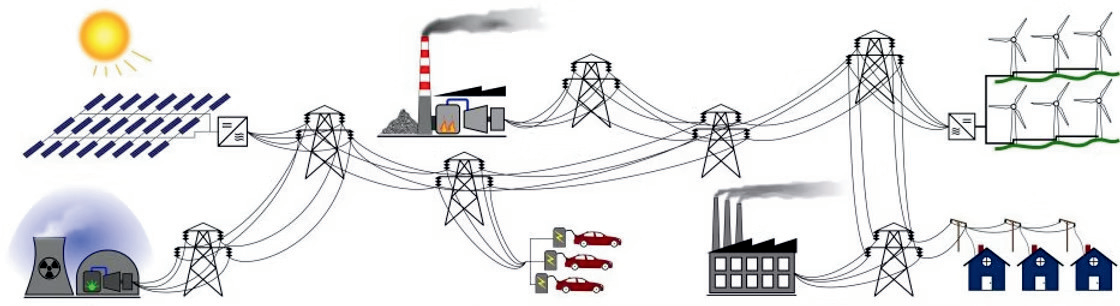
Silicone insulators play a critical role in ensuring the reliability and stability of these transmission systems, particularly in regions with extreme weather conditions. Their ability to maintain performance in wet, polluted, and high-salt environments makes them indispensable in ensuring that transmission infrastructure can support the growth of renewables without compromising on reliability.
Moreover, the integration of cross-border interconnections with neighbouring countries like Bangladesh and Nepal, and plans for an overhead link with Sri Lanka, highlight India's vision of a regional power grid. This strategy not only stabilizes the national grid but also optimizes resource utilization across South Asia, creating a more resilient and interconnected energy network.
Offshore wind and the burgeoning hydrogen economy also represent new frontiers for transmission development. With a target of 37 GW of offshore wind capacity by 2030, the focus is shifting to developing the transmission infrastructure needed to bring this energy to shore. Similarly, the hydrogen economy, with its massive energy requirements, will necessitate the creation of new transmission systems, further underlining the sector's critical role in India's energy future.
Challenges on the Horizon: Navigating the Complex Landscape
Despite the impressive progress, the transmission sector in India faces significant challenges.
- Right of way (RoW) and land acquisition remain persistent obstacles, leading to delays and cost overruns — compounded by resistance from local communities and environmental concerns, making land acquisition a complex and time-consuming process.
- Aging and often inadequate infrastructure in some parts of the country leads to transmission losses, which not only reduce efficiency but also impose financial burdens on utilities.
- Losses driven by technical inefficiencies, theft, and inadequate maintenance highlight the need for continuous upgrades and modernization of the grid.
One of the significant challenges facing the sector is the need to reduce maintenance costs and improve the longevity of grid components. Silicone insulators are known for their long service life and low maintenance requirements compared to traditional ceramic or glass insulators — making them an attractive choice for utilities looking to minimize downtime and operational costs.
Private Sector Participation: A Growing Force in Transmission
The private sector has become an increasingly vital player in India's transmission landscape. Since the introduction of the National Tariff Policy in 2006, private participation through the TBCB route has grown steadily. As of February 2024, 65 out of 128 awarded transmission projects have been commissioned, with another 59 under construction.
Key players like Sterlite Power Transmission Limited, Adani Energy Solutions Limited, and India Grid Trust are driving this growth, bringing innovation, efficiency, and investment to the sector. States like Uttar Pradesh, Madhya Pradesh, and Maharashtra have also embraced competitive bidding for intra-state projects, with several schemes completed or under implementation. This trend is expected to continue, with more states likely to adopt similar models.
With an increasing number of transmission projects awarded through the TBCB route, there is a greater focus on cost-effectiveness and performance. Private players are likely to seek out suppliers who can provide high-quality insulators that offer both superior performance and cost savings over the long term. For manufacturers, this represents an opportunity to establish partnerships with leading transmission companies and secure contracts in a competitive market.
Looking Ahead: The Future of India's Transmission Sector
The future of India's transmission sector is marked by ambitious plans and significant investments. The CEA's draft National Electricity Plan (Volume II: Transmission) for 2022-27 envisions a total capital expenditure of ₹4.76 trillion, with a focus on expanding both the inter-state and intra-state transmission networks.
These investments and expansions are not just about meeting immediate energy demands; they are about building a grid that can support India's long-term energy goals, including the integration of massive amounts of renewable energy.
India's transmission sector stands at a critical juncture, with immense potential for growth and innovation. The strides made so far are impressive, but the challenges ahead require strategic planning, robust policy frameworks, and continued investment. As the sector navigates these complexities, the role of stakeholders — from policymakers and regulators to private players and investors — will be crucial in shaping the future of India's power grid.
What It Means for Silicone Insulator Manufacturers
The data and trends in India's transmission sector highlight a strategic growth opportunity for silicone insulator manufacturers. By aligning their products with the evolving needs of the grid — particularly in high-voltage transmission, renewable energy integration, and grid resilience — manufacturers can position themselves as key players in the future of India's energy infrastructure.
As the sector continues to expand and modernize, the role of high-performance silicone insulators will become increasingly critical — offering manufacturers a pathway to sustained growth and success. The focus on creating a resilient, reliable, and efficient transmission network is crucial for India's transition to a sustainable energy future.
Source: National Electricity Plan (NEP), Central Electricity Authority (CEA) — 2022.